Very few log homes in the States of America can boast that they have been witnesses of the nation’s birth. However, this fantastic 1798 hand-hewn Galloway log home located in Mad River Township, Ohio, is such a home. It tells the story of the frontier workmanship and the timeless beauty of the past. This is a 3-story log home that was made by James Galloway only 22 years after the Declaration of Independence. It is among the oldest houses still standing in the area and it has aged with spectacular grace.
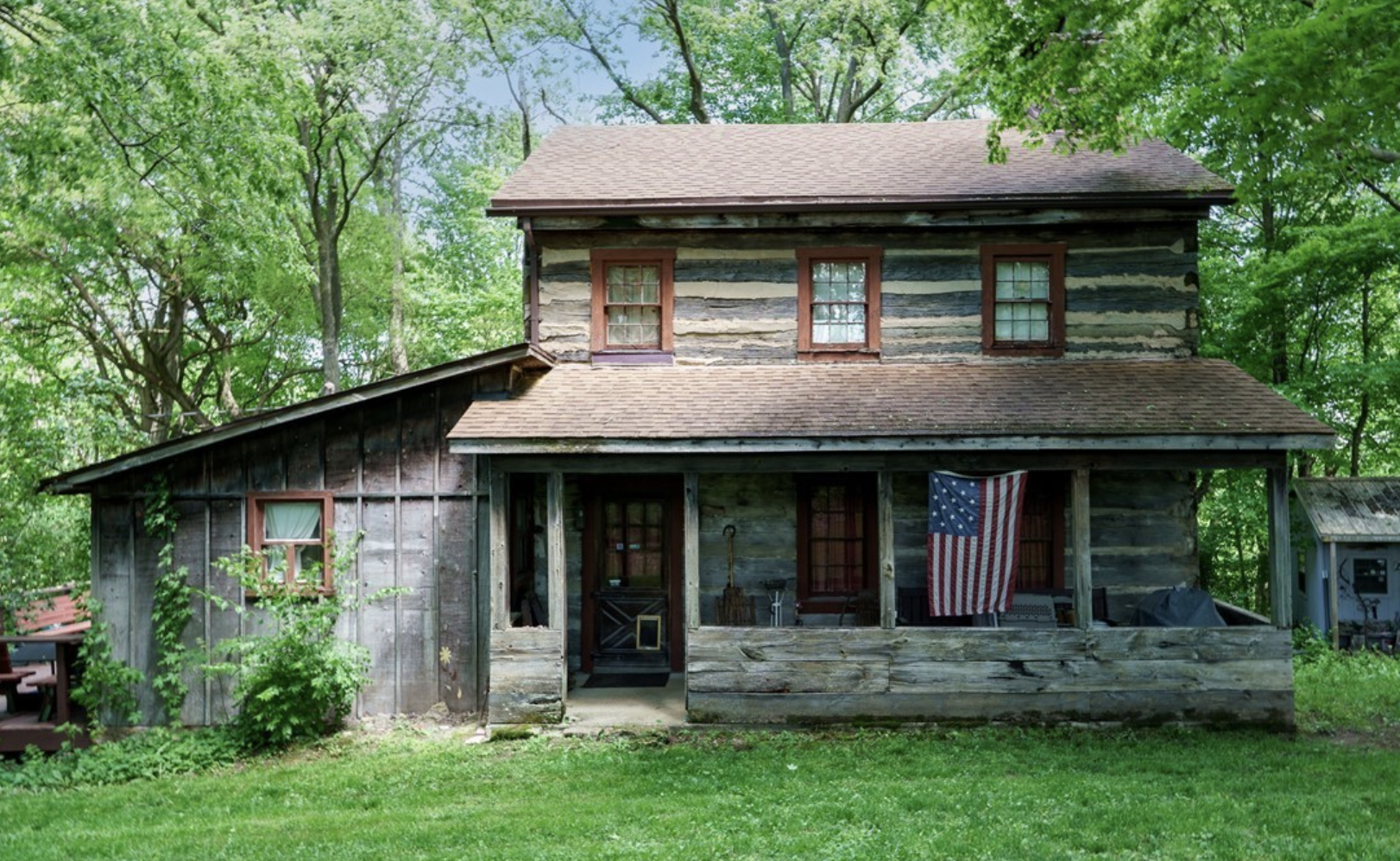
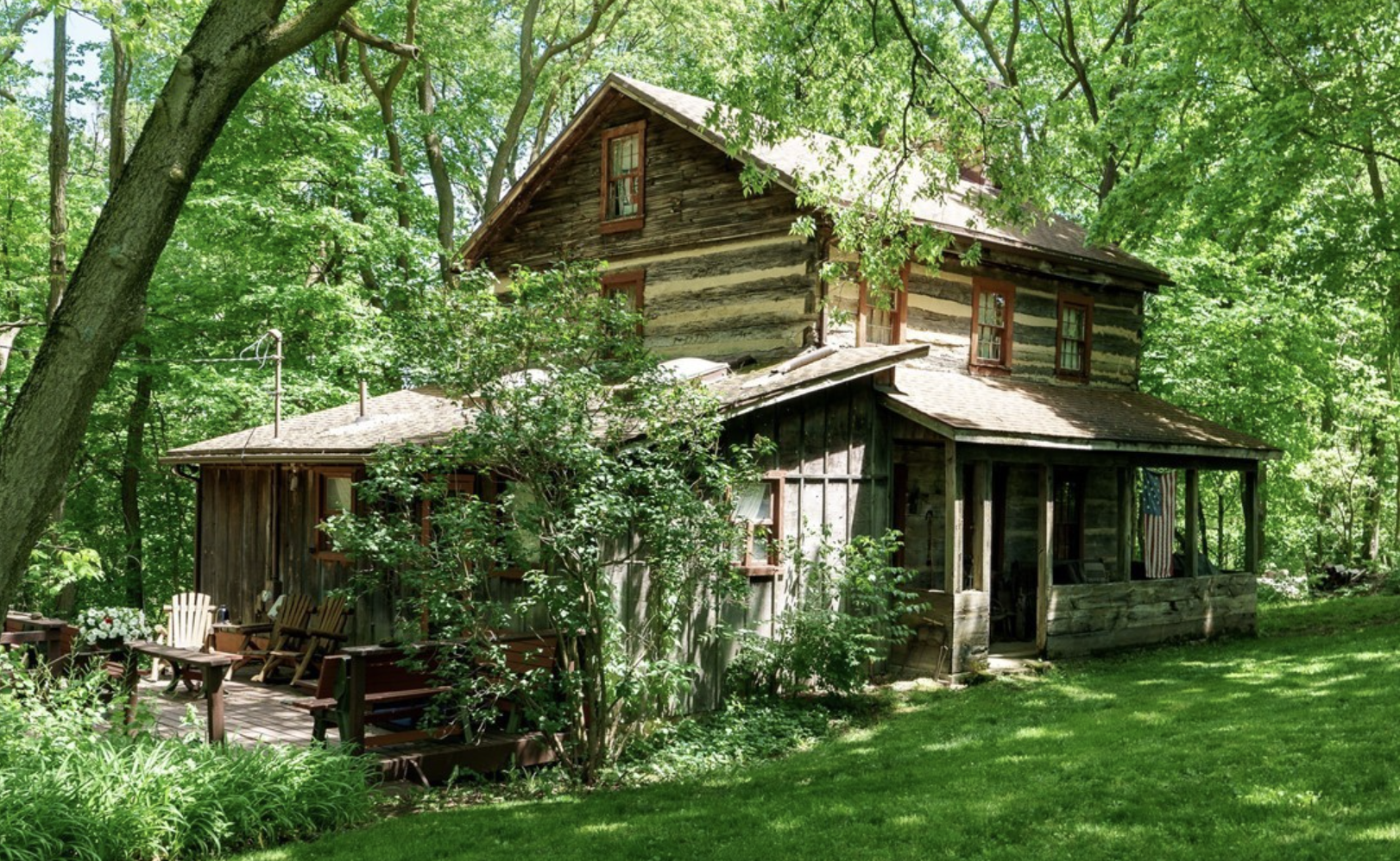
The moment you divert your car onto the serene country road and take in the view of the huge logs, which were hand-hewn and are still on their original stone foundation, you realize that you are coming to something special. These are not the modern “log look” homes but the authentic ones: chestnut and oak timbers that were cut down and shaped with an axe more than 200 years ago, their dovetail corners are still very close, and their faces are deep with the patina that only time can produce. The log home is nestled well into the hill, and its lower level is opening right to the forested area just like the houses that were built by the first settlers who knew how to use the land instead of fighting it.
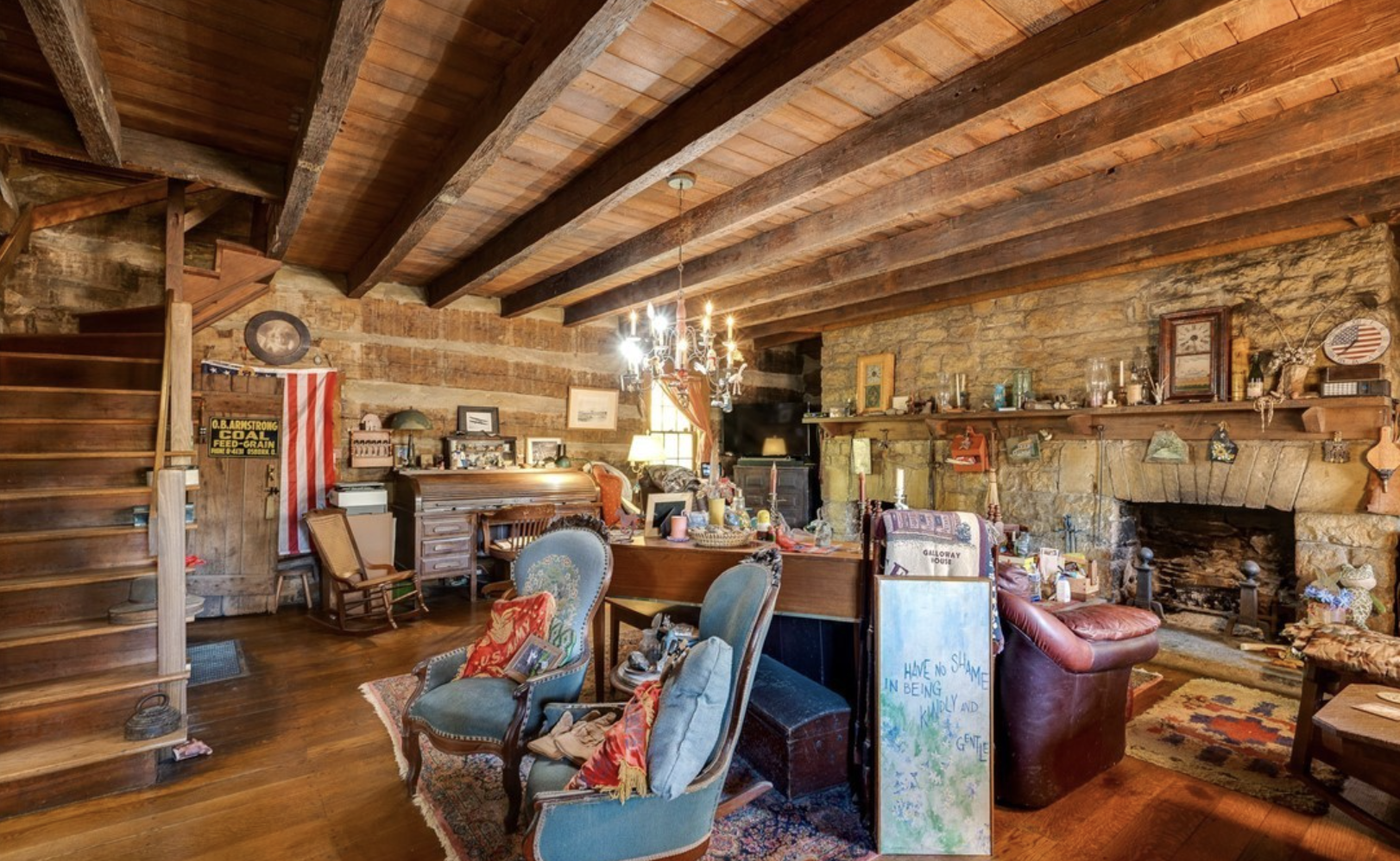
Enter the heavy front door and get ready to be taken to another place. Wide-plank oak floors—some of them are original, and some are carefully matched—are lying under your feet, and their knots and grain are the storytellers of the forests that are no more. Four wood-burning fireplaces (one on each level, and still in use) are the main features of the rooms with their huge stone or brick hearths, thus making the winters look like a step into a Currier & Ives print. The exposed beams above are the works of the adze that shaped them and the wavy antique glass in the windows takes in the sun and throws it like little pieces of diamonds over the walls.
The main living floor is the center-hall layout of the late 18th-century homes that the living level on the ground floor naturally extends from one room to another. The logs themselves forming natural niches and warmth that the modern homes imitate but never quite accomplish, each place is both large and small in size. Though the kitchen is fitted with modern conveniences, it still has the soul of the original pioneers: just think of preparing the meals beside the fire that is crackling while checking the view of the hills that James Galloway looked over when Ohio was still the Northwest Territory.
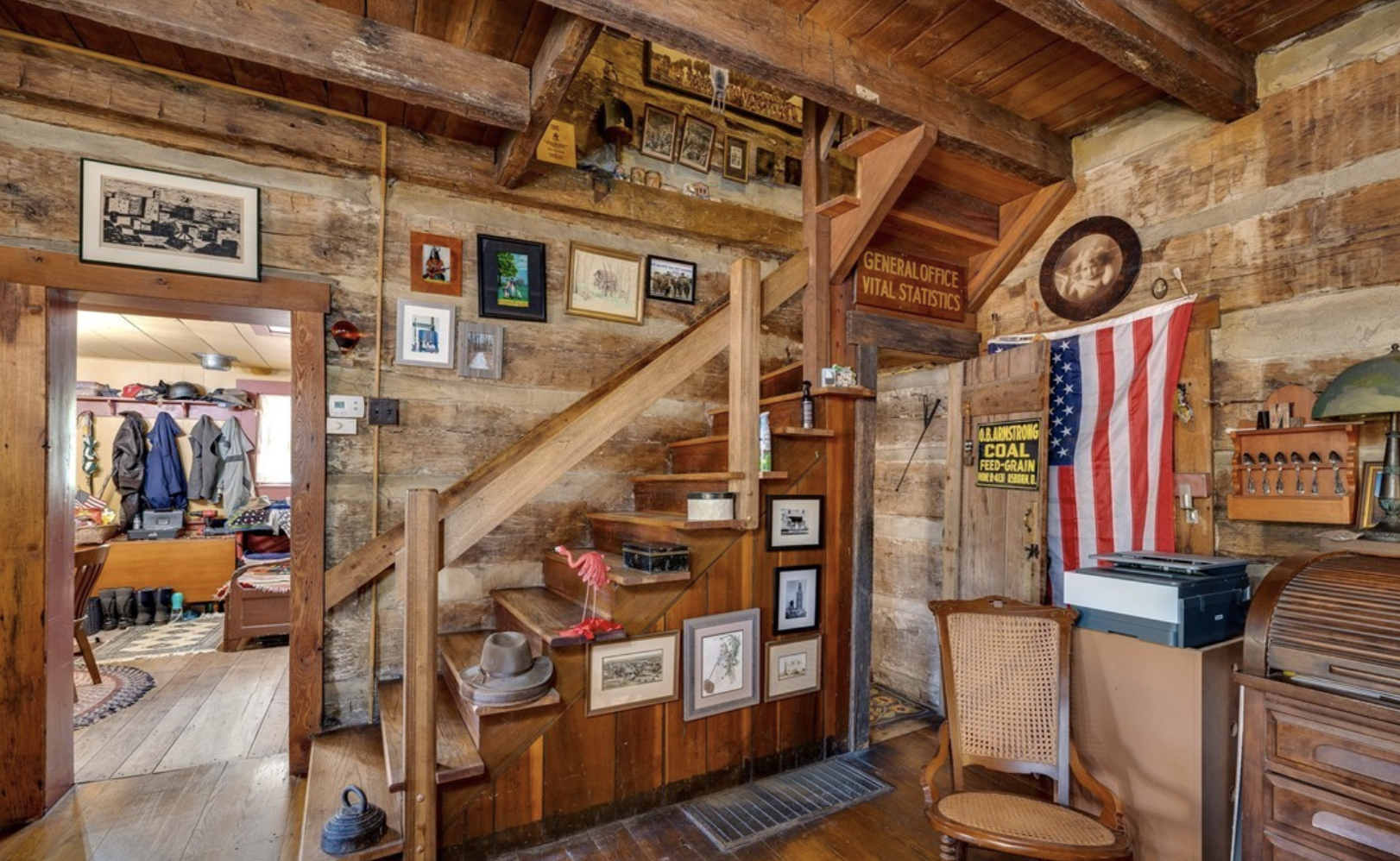
Ascend the hand-made stairway-their risers being very smooth due to the many generations of people having trod them-and you will find the second story to be even more enchanting. One of the bedrooms has a fireplace of its own, there are built-in corner cupboards that are original to the house, and the aged wood scent is such that it makes you want to breathe even more. The attic floor which was formerly the sleeping quarters for children or apprentices has the capacity to be a studio, office, or the most charming guest suite, flexible space, and can be assumed today.
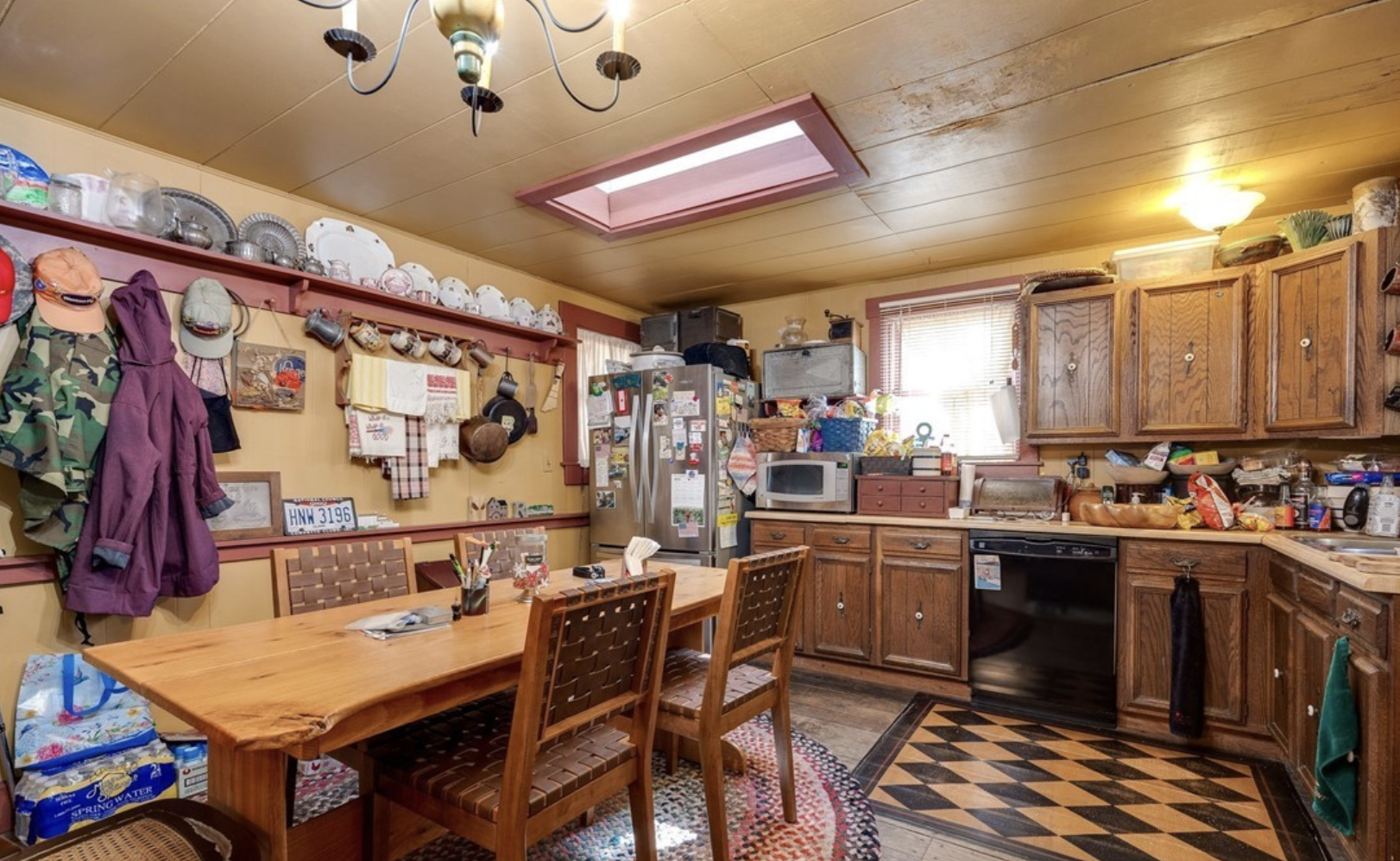
The lower ground level with a door leading out, is a continuation of the well-planned frontier design tradition. What could have been an area for keeping cold food in 1798, now is a place for the family room, workshop, or even a letting room that has been restored with a massive cooking fireplace. Propane forced-air heat, central air conditioning, indoor plumbing, a water heater that is only one year old, and an asphalt shingle roof, among other modern features, make sure that the log house is as comfortable in 2025 as it was in 1798.
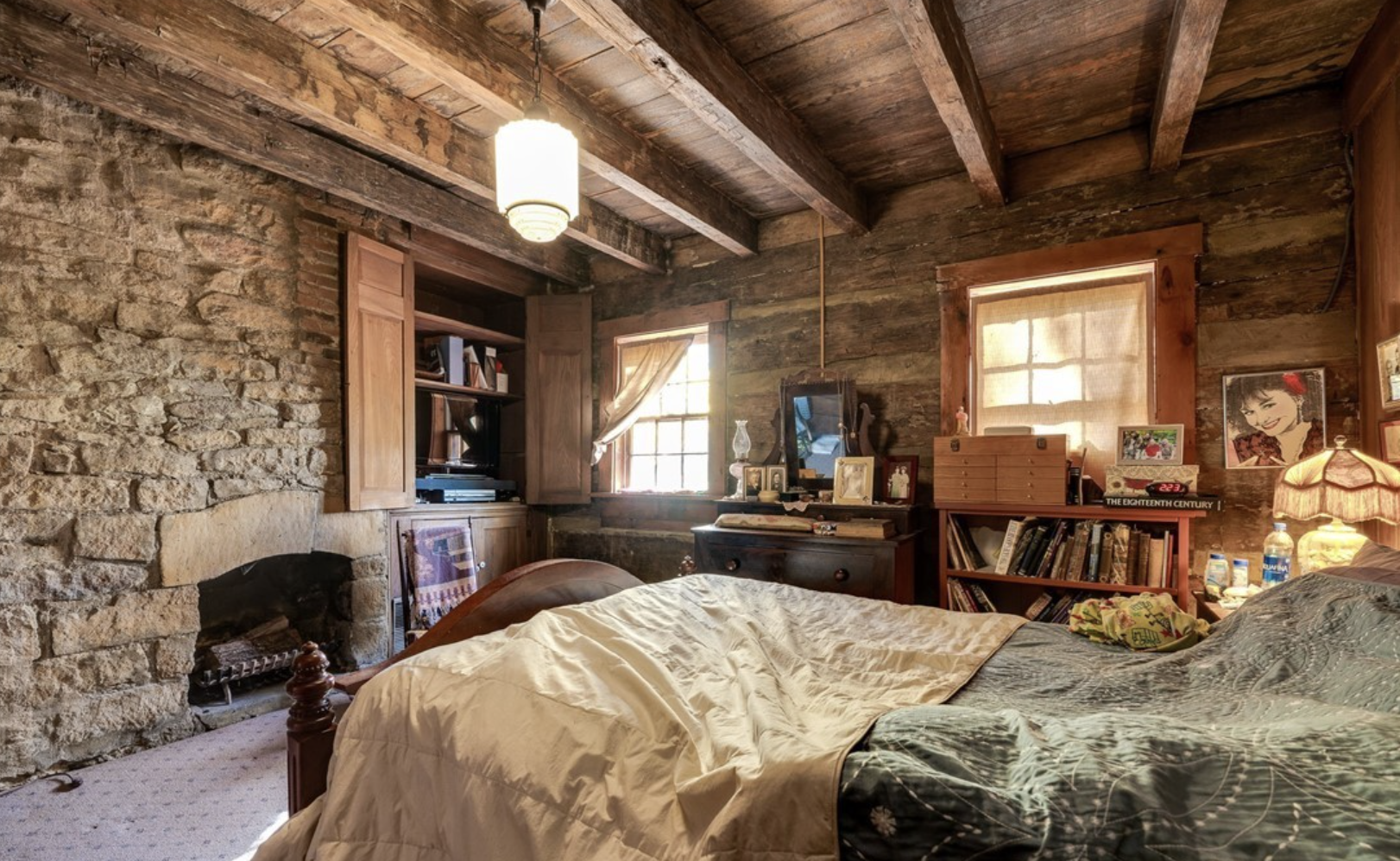
Beyond the fence line of the log home are 4.68 acres of mature hardwood forest that offer the privacy and the quietude to the home. The two historic sheds and an old bank barn (ready for restoration) tell the story of the property’s agricultural past, while the gentle trails are waiting for you to come and explore your own private woodland. Deer trails traverse the meadow, owls call at night, and during spring, the forest floor is covered with trillium and wild ginger just like it was when James Galloway first cleared this land.
This is not just a house—it is a direct link to the America of the past. The people who built every log knew George Washington as a living president. The fireplaces were heating families who read by candlelight while the country was still being born. However, unlike a lot of historic homes that have been trapped in time, this log home is compatible with the modern life: central air makes the summer cool, the well and the pressure system provide water when needed, and the building itself has demonstrated that it can last for hundreds of years more.
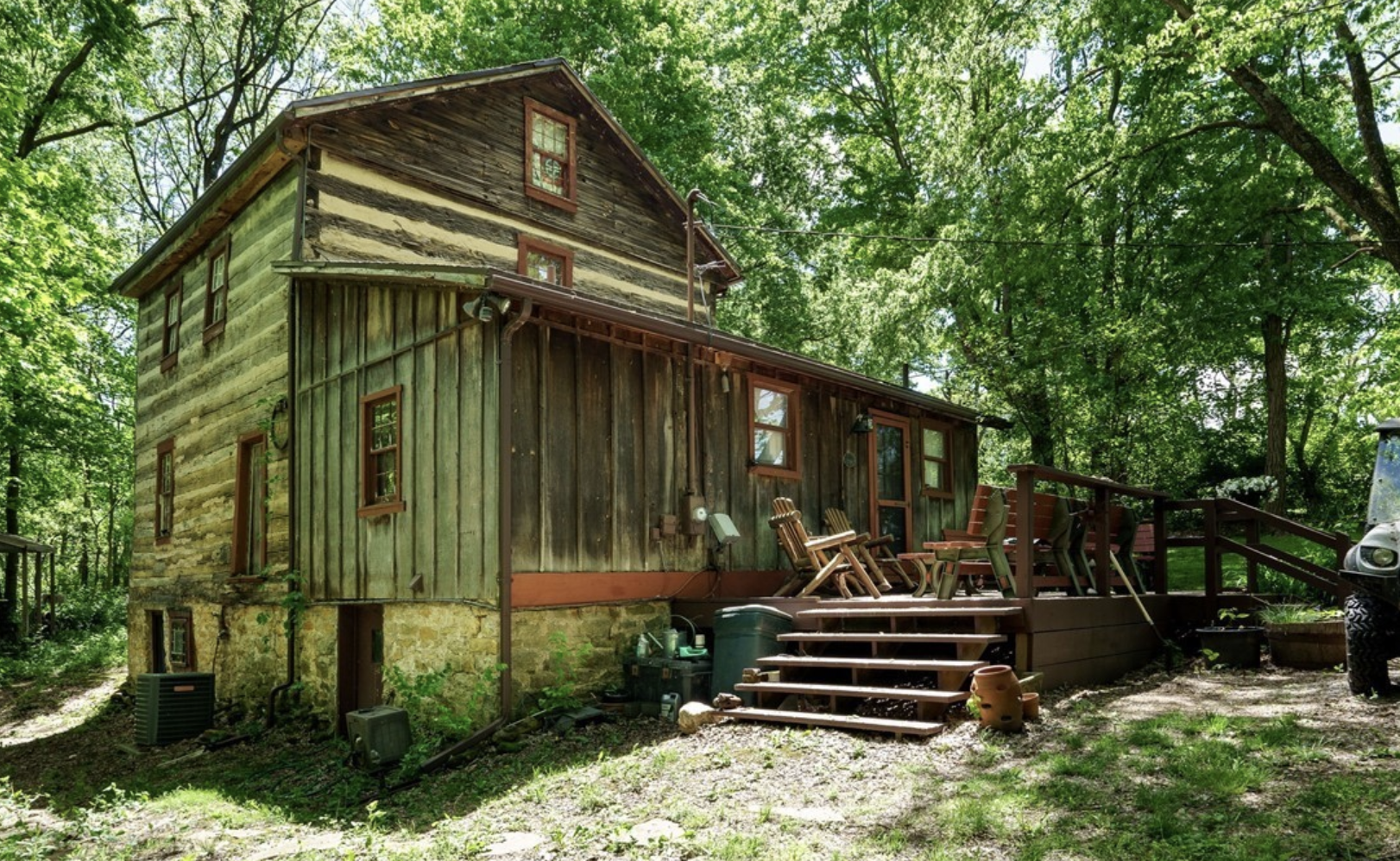
Think of Thanksgiving with fires burning in a number of rooms, the smell of the wood burning in the fireplace mingling with that of the turkey and the pie. See in your mind the summer nights on the stone patio watching the fireflies lighting up the area above the meadow that was once farmed by Galloway. Visualize the handing down of this invaluable piece of American history to your children who will, in turn, tell their grandchildren that they grew up in a real 1798 log home.
There are very few properties that provide the opportunity of not only being the owner of a home but also a real piece of the American story. This Galloway log home is waiting for its next chapter be it restoration to full historic glory, preservation with modern updates, or simply loving it the way the centuries have shaped it.
This famous 1798 Galloway log home on 4.68 acres is priced at $380,000 if you were to buy it. You can see the listing here, Redfin Listings
| Feature | Detail |
|---|---|
| Year Built | 1798 by James Galloway |
| Style | Hand-hewn 3-story log home |
| Lot | 4.68 wooded acres |
| Fireplaces | Four original wood-burning |
| Floors | Wide oak planks |
| Foundation | Original stone |
| Modern Updates | Central air, propane heat, new water heater |
Source: Old House Dreams – c.1798 Log Cabin in Mad River Township, OH